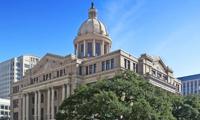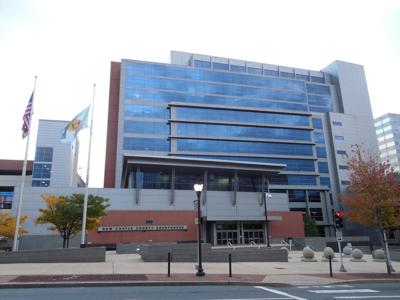


Leonard L. Williams Justice Center
WILMINGTON – A Delaware judge just dismissed the lawsuits of more than 70,000 people who allege the heartburn medicine Zantac can turn into a cancer-causing agent.
Experts put forth by plaintiffs lawyers at firms like Keller Postman had already been deemed unreliable by the Delaware Supreme Court, making it impossible to prove causation in the cases. Superior Court judge Francis Jones then refused to let the plaintiffs employ new experts.
The question in his April 14 ruling was whether that decision applied to all of the approximately 75,000 plaintiffs suing in Delaware or just the few who had been selected for possible bellwether trials. He picked the former, dismissing every case that was filed before Dec. 2, 2025.
Essentially, case management orders entered early in the litigation stipulated that general causation rulings apply to all cases, Jones ruled. That includes Daubert motions to disqualify experts.
“To suggest that the Daubert challenges applied only to the bellwether cases ignores not only the expressed intent of the parties and their words but the history of this litigation,” Jones wrote.
The litigation against GlaxoSmithKline and others began after a Connecticut lab, Valisure, created headlines in 2019 when it claimed its testing showed Zantac and its generic equivalents contained ranitidine that changed to NDMA once ingested. Lawyers began spending on advertising for clients and cited the study in ensuing litigation, calling Valisure an "independent" lab.
Valisure had brought its findings in a citizen petition to the FDA, which ordered a short-lived recall. The FDA later said Valisure's methods were unreliable, saying the lab's "artificial stomach" was heated to 260 degrees and subjected to lethal levels of salt to create NDMA from Zantac.
Valisure detected no NDMA in the drug when testing it under normal human conditions. That didn't stop lawyers who, after a Florida federal court ruling tossing their experts, moved on to courts in Delaware, California, Philadelphia and elsewhere.
GSK settled 80,000 cases for $2.2 billion while denying all claims against it, and Valisure scored a payday by filing a False Claims Act lawsuit against GSK and winning a $67.5 million settlement from which it was to receive up to 30%.
Plaintiffs lawyers in Delaware should have “put their best evidence forward” instead of using the same tactics that got their federal cases thrown out, Jones wrote.
“Unfortunately, they were not able to muster sufficient evidence to pass Delaware’s Daubert requirements,” he added.