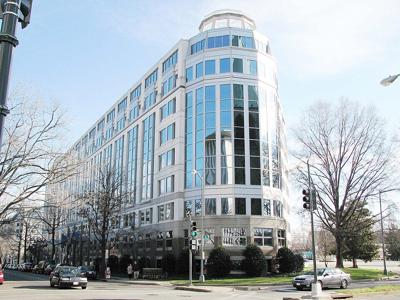



U.S. International Trade Commission offices
WASHINGTON – A federal agency where patent disputes are often heard is proposing litigants reveal whether someone else is funding their efforts and stands to gain from them.
On April 29, the U.S. International Trade Commission published a proposed rule on third-party litigation funding – the business of investing in lawsuits that has drawn criticism from several groups and has repeatedly been the target of bills in Congress and state legislatures.
Sen. Chuck Grassley, R-Iowa, released his latest version of a bill that would require TPLF disclosure in mass tort and class action lawsuits in federal courts in February. The ITC hears disputes over ownership of patents, often pursued by non-practicing entities that some call “patent trolls.” They purchase patents then embark on a campaign to sue companies over alleged infringement.
Concerns that foreign entities – both private companies and sovereign funds – are backing fights against American companies have led to calls for transparency in ITC proceedings. The ITC’s rule would have these investors file disclosures in their cases.
According to the ITC, doing this would:
-Help identify any conflicts for the ITC’s employees and judges regarding whether a party is controlled by another entity;
-Provide early entity about “whose rights are at issue in the investigation”; and
-Promote transparency and “bring relevant issues to the Commission’s attention.”
TPLF is a multibillion-dollar business questioned by some as a possible national security problem, and a recent study showed the costs TPLF imposes on American families through inflated prices. Oklahoma and Georgia passed measures targeting TPLF last year, joining Wisconsin, Indiana, Montana, West Virginia, Louisiana and Kansas.
In federal courts, Delaware, New Jersey and the Northern District of California require disclosure of TPLF agreements.
Numbers show TPLF is popular in patent cases, with more than 27% of money going toward patent litigation in the year preceding June 30, 2025, an annual report from Westfleet Advisors shows.
The ITC uses Section 337 investigations to handle cases regarding intellectual property. It can issue an order for Customs and Border Protection to stop imports that infringe on IP at the border and hand down cease-and-desist orders.
Republicans have expressed worries TPLF allows foreign interference in the U.S. energy and technology markets. In a hearing last year, Sen. Ted Cruz accused environmental activists and their Democratic supporters in Congress of using Chinese money for lawsuits that could undermine the U.S. economy.
A 2023 report by a House select committee on competition between China and America recommended Congress establish guardrails to address “the possibility of foreign adversary entities obtaining sensitive IP through funding third-party litigation.”
“For litigation in federal court, require enhanced disclosures for foreign adversary entities and provide judges with the authority to require enhanced disclosures for certain entities under foreign adversary entity control regarding their funding, and, when appropriate, ownership and connection with the foreign adversary government and dominant political party,” the committee wrote.
The ITC’s rule must go through a notice-and-comment period before it can be made official.