
TUSCALOOSA, Ala. – Two West Virginia natives and Marshall University graduates helped a former University of Alabama basketball player beat The New York Times to the tune of $9.25 million.
An Alabama federal jury August 20 found The Times defamed Kai Spears by incorrectly reporting that he was at the scene of a fatal 2023 shooting, awarding him $9.25 million after a nine-day federal trial. The eight-person jury returned the verdict in U.S. District Court for the Northern District of Alabama after about five hours of deliberations.
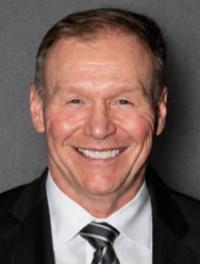
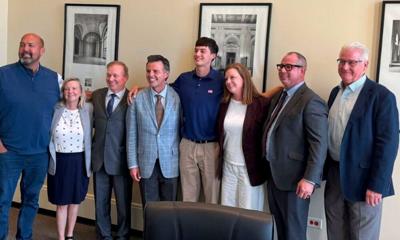
Spears sued the newspaper in 2023, alleging libel and false-light invasion of privacy stemming from an article written by Billy Witz that identified Spears as a passenger in a car connected to the shooting. Beckley attorney Steve New as well as Matt Glover, a fellow Marshall graduate who now lives in Tuscaloosa, represented Spears in the case along with Ginger Buck.

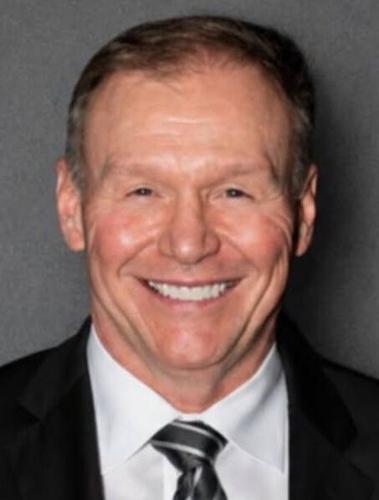
New
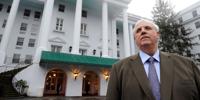
“For starters, I’m happy for Kai most of all,” New, from Steve New & Associates in Beckley, told The West Virginia Record. “Being the person who was unfairly put in the article, h is such a fine young man. And I think the jury saw his honesty and integrity when he was on the stand. I’m also happy for Christian (Spears’ father and former Marshall University athletic director) and Marshall University, both of whom were named in the article originally. “I am also happy for the University of Alabama, Coach Nate Oates and Athletic Director Greg Burns.”
The Times article, relying on an anonymous source familiar with the investigation, reported Spears had been in the passenger seat of a vehicle driven by then-Alabama player Brandon Miller. The shooting killed Jamea Harris, a 23-year-old mother, in Tuscaloosa.
Spears was not in the vehicle, according to later reporting and court filings. The passenger was a team manager, not Spears. The Times later added an editor’s note correcting the article.
Spears, a walk-on for the Crimson Tide during the 2022-23 season after playing at Marshall, said after the verdict that the report was “100% inaccurate” and that its writer showed “complete disregard for the truth.”
A Times spokesman said the newspaper was disappointed with the verdict and was reviewing its legal options.
“We’re disappointed the jury found The Times liable for an honest mistake,” Charlie Stadtlander said in a statement. “We thank the jury for its service, but believe the verdict and award of damages are contrary to law and not supported by the evidence.”
The verdict may not represent Spears’ final recovery. Alabama law limits certain damages awards, and the total is expected to be reduced by more than $2 million, according to reporting on the case. The Times also could seek post-trial relief or appeal to the 11th U.S. Circuit Court of Appeals.
New recalled how he heard about the Times story.
“Christian called me the night of and asked me to help try to fix it,” New said, adding he contacted The Times. “And I did, to no avail. Kai was releasing statements on Instagram. Christian was releasing statements. Burns was releaseing statemets. And none of it seemed to matter to The New York Times. Their agenda was thinking Alabama was conspiring to cover up the presence of a fourth player in the car.
“Their actions underplay any hint of objectivity. They didn’t correct the story until we threatened to sue. It was a long three-and-a-half-year fight, but we won.
“This was the hardest case I’ve ever worked. I’ve tried some really complex cases before, but because of the constitution issues in this one, it was really challenging.”
New said he only knew one attorney in Alabama when he agreed to take the case.
“I called that guy in Dothan, and he said, ‘Hey, aren’t you a Marshall grad?’” New recalled. “When I said I was, he said, ‘I have just the guy you’re looking for. That’s how I connected with Matt Glover, who went to law school at Alabama.”
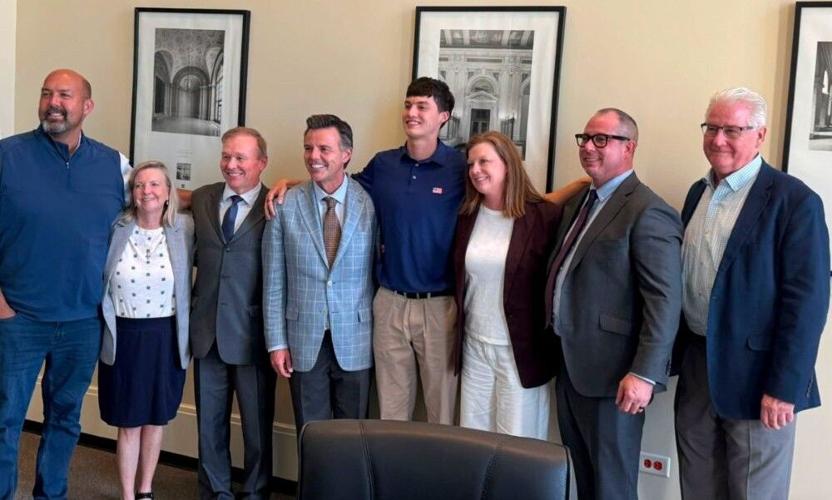
New said he, Glover and Buck made a “great team.”
“I’m sure The New York Times never expected our team to be able to stand up to theirs,” New said. “And that fills me with a lot of pride. I always felt like we were on the right side. I always knew was Kai was telling the truth, so that made the case easy. I knew my client was being truthful, and I knew my client was a good kid.
“When I got connected with Matt Glover, it was like all of the key pieces fell into place for what we would need to be successful. Matt brought Ginger in because of the complexity of the legal issue being a First Amendment case with a media defendant.
“It couldn’t have worked out any better than it did.”
According to The Times’ own reporting, it had not lost a U.S. defamation lawsuit over one of its articles for more than 50 years before the Spears verdict. That could have been a 1960 jury verdict, also in Alabama, in Sullivan v. The New York Times, which resulted in a $500,000 verdict over inaccuracies in a 1960 civil-rights fundraising advertisement carried by the paper. However, the U.S. Supreme Court later reversed that ruling in a landmark 1964 case styled Times v. Sullivan.
Before that, the most recent libel case loss for The Times might have been in the 1895 case Holmes v. Jones when an undertaker accused the paper of libel for saying he was intoxicated while embalming former President Ulysses S. Grant.
“I really hope journalists take a lesson from this,” New said. “There are lessons a plenty here. This journalist rushed a hit piece out the door using one anonymous source, and then when called on it, The New York Times doubled down. And the jury recognized all of that.
“For all of you who practice this art, please … give up a scoop for the sake of accuracy.”
U.S. District Court for the Northern District of Alabama, Western Division case number: 7:23-cv-00692