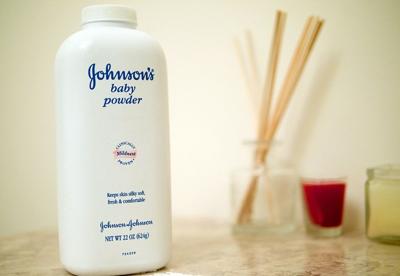


Johnson & Johnson Baby Powder no longer contains talc powder.
PITTSBURGH – A Pennsylvania appeals court won’t punish Johnson & Johnson with an eight-figure damages award reached by a jury that also concluded the company wasn’t to blame for a woman’s asbestos-related disease.
The verdict by Pittsburgh jurors sent mixed signals – J&J’s talcum powder didn’t cause Michaeleen Lee’s mesothelioma but it should still have to pay $22 million in punitive damages. The trial judge nixed that amount, leading attorneys at Dean Omar to appeal to the state Superior Court.
On Tuesday, that court affirmed Judge Philipo Ignelzi’s ruling that J&J should not have to pay the $22 million.
“Here, we discern no error,” Superior Court judge John Bender wrote. “The trial court advised the parties that it would mold the verdict in the event of an inconsistent verdict.”
The case, like tens of thousands of others, alleged J&J’s talc-based products like Baby Powder contained cancer-causing asbestos. The company has declared those claims untrue, and trials frequently become showcases for experts on highly technical scientific issues.
The Pittsburgh verdict only added to the confusion. Dean Omar lawyer Jessica Dean called the trial a “miserable process” and challenged evidentiary rulings made by Judge Ignelzi, including allowing an expert to testify that Lee could have been exposed to asbestos while teaching at Bucks County Community College.
Three jurors dropped out during the trial, which featured a holiday break in December 2024, and it took the jury only two hours to reach a verdict for J&J. Ignelzi’s evidentiary rulings were affirmed by the Superior Court.
J&J also faces ovarian cancer claims and tried to settle them for $9 billion – a plan that was defeated by plaintiff lawyers at Beasley Allen who wanted their clients to earn more in court. That forced the company to use offense as a defense and has successfully had that firm removed from the massive federal multidistrict litigation housing the majority of ovarian cancer claims.
State judges in New Jersey, Philadelphia, Miami and Chicago have similarly disqualified Beasley Allen for collaborating with a former J&J lawyer to craft a resolution outside of the bankruptcy settlement the company had proposed.
J&J scored a defense verdict in Los Angeles a month ago, though when it loses trials the amounts awarded can be eye-opening. The first bellwether trial in Los Angeles in December resulted in a $40 million verdict.
J&J has also sued the experts used by plaintiff lawyers, including Dr. Jacqueline Moline, who is accused of hiding alternative exposures to asbestos to research subjects in order to blame their illnesses on talc. The MDL judge is deciding the viability of other experts, and some 70,000 lawsuits will be on life support if they are not allowed to testify.
In February, a Philadelphia jury awarded just $250,000 in a talc case, an amount J&J called a “token.” The Superior Court’s ruling this week is another positive development for the company in the Keystone State.
“The result is also consistent with jury verdicts around the country, including two defense verdicts in just the last two months,” said Erik Haas, worldwide vice president of litigation for J&J.
“The decision further affirms that plaintiffs’ lawyers have wrongly weaponized junk science pursuit of runaway verdicts, enriching themselves at the expense of truth, justice and their own clients.”