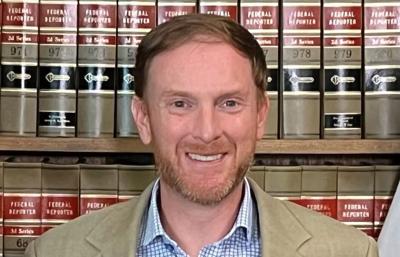


West Virginia Attorney General J.B. McCuskey
CHARLESTON — West Virginia Attorney General J.B. McCuskey has withdrawn investigative subpoenas issued to two environmental organizations and closed the investigations, but the groups have not agreed to end their federal lawsuit challenging his actions.
In a November 20 status report, attorneys for McCuskey, West Virginia Rivers Coalition and 350.org told U.S. District Judge Joseph R. Goodwin that negotiations had not produced a resolution. That same day, McCuskey sent the organizations’ lawyers a letter withdrawing the subpoenas “in their entirety” and closing the investigations, the filing says.
McCuskey maintains his withdrawal leaves no live controversy for the court to decide. He asked the organizations to agree to dismiss the lawsuit by November 25 and said he would seek dismissal on mootness grounds if they declined, according to the report.
The organizations’ attorneys responded that if McCuskey files that motion, they intend to seek summary judgment.
A temporary restraining order blocking the subpoenas remains in effect. Goodwin extended it by consent through 4 p.m. Dec. 17, canceled a previously scheduled Nov. 16 hearing and left a prohibition on discovery requests in place, according to the report. Neither side asked the court to take additional action in the latest filing.
The withdrawal goes beyond McCuskey’s earlier decision to abandon demands for donor identities while defending the broader investigations. In his October 26 response to the lawsuit, McCuskey argued that the state’s consumer protection law authorized an inquiry into potentially deceptive statements intended to discourage fossil fuel purchases.
The latest status report says McCuskey’s letter includes additional commitments and assurances about his office’s future conduct involving the organizations and the subjects of the subpoenas. The letter disclaims any right to reissue the demands, including in a narrowed or modified form.
“The organizations have no obligation of any kind under the subpoenas,” the letter states. “The office reserves no right to reissue the subpoenas, in their original form or in any amended, narrowed, or modified form.”
McCuskey attributed the decision to his office’s enforcement priorities and resources.
“They reflect a final decision by this office to end the Investigations and not to pursue the covered subject matter against the protected persons,” he wrote, according to the report.
The dispute began with Sept. 16 subpoenas issued under the West Virginia Consumer Credit and Protection Act. They contained 16 document demands covering records dating to Jan. 1, 2017, including climate statements, internal deliberations, fundraising appeals, scientific materials and relationships with other organizations and renewable energy businesses, as The West Virginia Record previously reported.
The organizations sued Oct. 22, alleging that McCuskey was using a law governing commercial activity to investigate protected advocacy and retaliate against their criticism of fossil fuel development. They argued that the demands identified no consumer transaction or conduct by either organization regulated by the law.
McCuskey disputed that characterization. His lawyers argued that the inquiry concerned possible deception rather than the organizations’ political positions and that statements intended to influence fossil fuel purchases could fall within the law’s reach.
“Plaintiffs – unabashed opponents of fossil fuels – are well within their rights to advocate for less (or even the complete abolition of) fossil fuel extraction,” his October filing stated. “But the First Amendment is not a license to lie or knowingly deceive or mislead.”
Goodwin granted the temporary restraining order October 29, finding the organizations likely would succeed on their claim that the demands violated their First Amendment right to associate.
“What these organizations do is argue in public about what coal, oil and gas do to West Virginia’s waters and climate,” Goodwin wrote. “The state’s chief legal officer, who has publicly condemned that advocacy, now demands to know how they reached their views and who stood with them. …
“The First Amendment forbids a state from using its investigative power that way,” he wrote.
Goodwin rejected, on the record before him, the argument that the advocacy at issue constituted commercial activity subject to the consumer protection law. He also found that withdrawing donor-identification demands had not resolved the organizations’ concerns because the remaining requests still reached coalition relationships, board affiliations and unpublished discussions.
The organizations said the investigations already had affected their work. Rivers Coalition reported pausing a community mini-grant program and publication of online story maps, while 350.org said it had altered or withheld communications and would undertake no new work in West Virginia while the inquiry remained pending, according to the earlier ruling.
The Nov. 20 filing says the parties continued negotiating after a Nov. 16 status report described progress on several disputed issues. Despite those discussions and McCuskey’s subsequent withdrawal, they had not reached a resolution when they submitted the latest report.
Appalachian Mountain Advocates attorneys Derek Teaney and Amanda Demmerle represent the organizations. McCuskey is represented by Zachary Viglianco, his office’s director of strategic litigation, and Special Assistant Attorney General Ryan McCune Donovan of Hissam Forman Donovan Ritchie.
U.S. District Court for the Southern District of West Virginia case number 2:26-cv-00679